

Rootlings Recap: Climate Action, Advocacy, and the Future of Aussie Wine
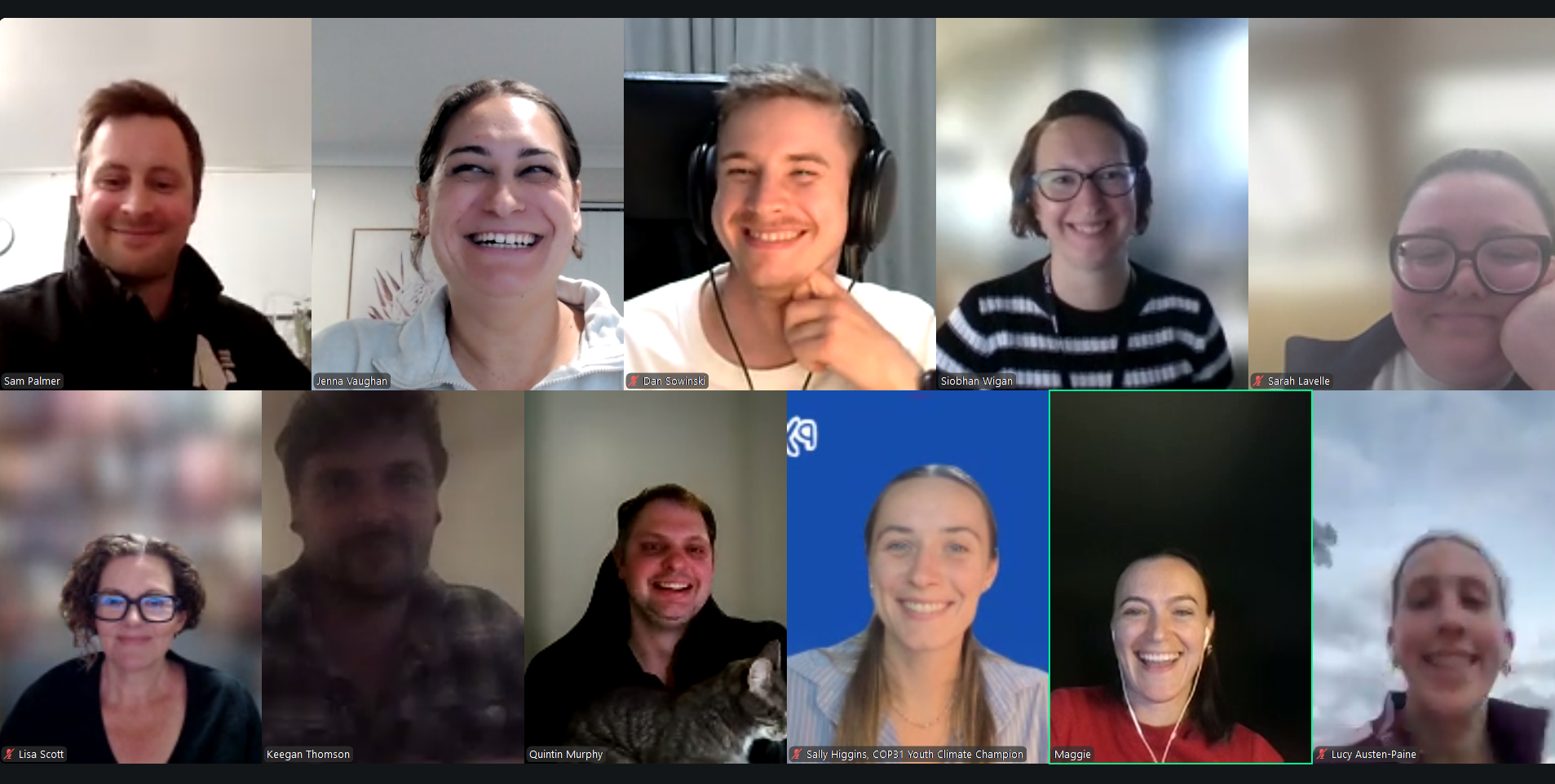
Our latest Rootlings Zoom dialogue brought together some of the most passionate young voices in the Australian wine industry. From local vineyard challenges to the global stage of the United Nations, the conversation was packed with insights on sustainability, climate adaptation, and how young professionals can drive real policy change.
Here is your recap of the key discussions, recent industry wins, and essential resources to help you advocate for a resilient wine sector.
The Global Stage: COP31 and Giving Agriculture a Voice
A major highlight was hearing from Sally Higgins, who recently stepped into the role of Youth Climate Champion for the UN Climate Change COP31 Presidency Team. Drawing on her extensive background in agricultural policy, her work with Farmers for Climate Action, and her Nuffield research on land-use change, Sally broke down how the complex COP process directly affects agribusiness.
Maggie also shared her firsthand experience attending COP30 in Brazil through the Frontline Voices program. She pointed out a stark contrast: while agriculture accounts for 25% of Brazil’s GDP and had a strong presence at the summit, the Australian agricultural sector lacks comparable representation. Her takeaway was clear—we need to inject our lived, on-the-ground experiences into global climate discussions.
Lisa Scott added valuable context, explaining that while organisations like Wine Australia actively contribute to climate initiatives, they typically collaborate through larger bodies like the National Farmers Federation rather than attending COP directly.
Regional Realities and Climate Adaptation
The breakout rooms sparked deep discussions about the specific environmental pressures facing different wine regions. Key concerns included:
Regional Threats: The impact of fracking in Coonawarra and mine expansion in the Hunter Valley.
Climate Pressures: Water security, extreme weather events, and the urgent need for adaptation.
Industry Innovation: The shift toward lighter-weight bottles, recycled packaging, and a growing interest in planting drought-resistant grape varieties.
Stepping Up: Climate Policy Advocacy Skills
Passion is essential, but as Sally noted, young people often lack the strategic advocacy skills needed to translate that passion into effective policy change. To bridge this gap between the vineyard and the policy table:
Lisa has agreed to facilitate an upcoming session to help young professionals understand how policy is interpreted and applied.
Jenna proposed bringing state champions to Canberra for immersive, in-person training.
Maggie offered to share communication and advocacy training materials from Farmers for Climate Action.
Essential Sustainability Resources
Ready to dive deeper into sustainable practices and emissions reduction? Bookmark these key resources from Wine Australia:
Emissions Reduction Roadmap: Sets out the sector’s baseline and pathway to reduce emissions by 42% by 2030, with practical interventions for vineyards, wineries, packaging, and transport.
Sustainable Winegrowing Australia: The national sustainability program providing a framework to measure, improve, and demonstrate environmental, social, and economic sustainability.
Sustainability Resources Hub: A central page bringing together ESG, emissions reduction, and broader sustainability work.
Climate Change Investment and R&D: An overview of investments helping the sector reduce emissions and adapt to changing conditions.
Sustainability Reporting and Communications: Practical guidance for SMEs on developing a strategy and communicating sustainability efforts credibly.
